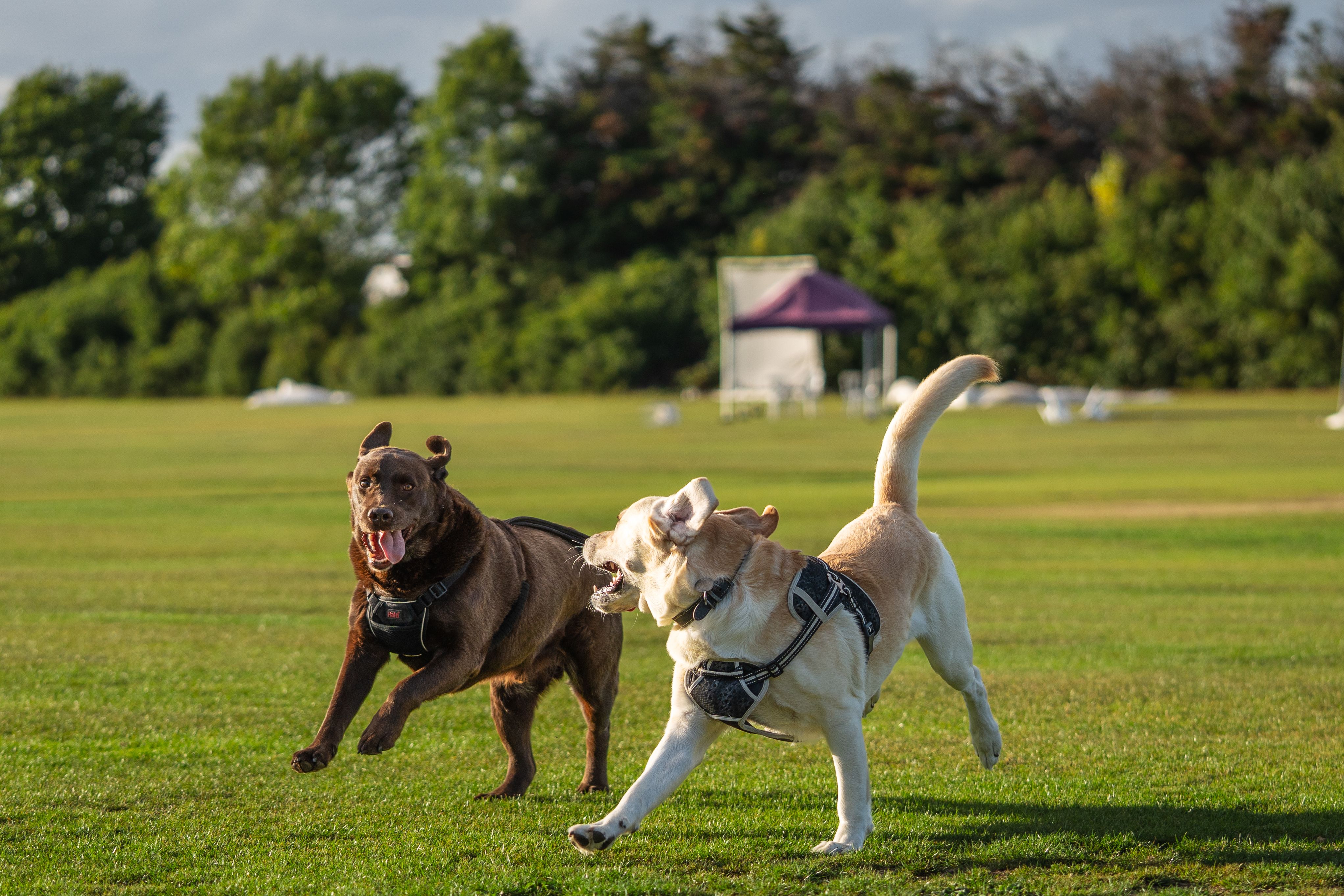
Small dogs thrive when they have opportunities to interact with other canine companions in a safe, controlled environment. Play groups designed specifically for smaller breeds provide a structured setting where puppies and adult dogs can develop essential social skills, build confidence, and enjoy mental and physical stimulation. By participating in these groups, owners can observe their pets’ behavior, address potential issues early, and foster a lifelong habit of positive interaction. Understanding the fundamentals of small-dog play groups helps both the dog and the owner achieve a balanced, happy lifestyle.
Why Socialization Matters for Small Dogs
Socialization is a cornerstone of canine development, especially for smaller breeds that may be perceived as more fragile or timid. Early and consistent exposure to other dogs, people, and diverse environments reduces fear-based reactions and promotes adaptability. Proper socialization also minimizes the likelihood of aggression, resource guarding, and excessive barking, which can become problematic if left unchecked.
Key Benefits of Early Social Interaction
- Improved confidence when encountering new situations.
- Enhanced ability to read canine body language.
- Reduced stress levels during veterinary visits and grooming.
- Better impulse control and obedience.
For a deeper dive into the science behind socialization, Read more about this topic.
Benefits of Small Dog Play Groups
Play groups tailored to small dogs offer a range of advantages that go beyond simple exercise. Because the participants are of similar size, the risk of injury is minimized, and the dynamics of play are more appropriate for their physical capabilities.
- Safe Interaction: Smaller dogs are less likely to be overwhelmed by larger, more boisterous companions.
- Targeted Training: Facilitators can address breed-specific challenges, such as leash pulling or separation anxiety.
- Community Building: Owners connect with fellow small-dog enthusiasts, sharing tips and experiences.
- Structured Play: Sessions often include games, obedience drills, and cooldown periods to promote balanced activity.
To explore further insights on how these groups operate, Explore further insights here.
How to Choose the Right Play Group
Selecting a suitable play group involves evaluating several factors to ensure the environment aligns with your dog’s temperament and your training goals.
Considerations for Selection
- Group Size: Ideal groups consist of 4-8 small dogs, allowing for individual attention.
- Facilitator Expertise: Look for leaders with experience handling small breeds and knowledge of canine behavior.
- Location & Schedule: Choose a convenient venue with consistent meeting times to build routine.
- Health Policies: Verify vaccination requirements and cleanliness standards.
For a practical checklist, Learn more in this detailed guide.
Tips for Successful Play Sessions
Even with a well-matched group, the quality of each session depends on preparation and observation. Follow these best practices to maximize benefits and keep the experience enjoyable for all participants.
- Pre-Play Warm-Up: Allow a brief greeting period on neutral ground to reduce tension.
- Monitor Body Language: Watch for signs of stress such as tucked tails, lip licking, or avoidance.
- Use Positive Reinforcement: Reward calm behavior and appropriate play with treats or praise.
- Set Clear Boundaries: Establish rules for jumping, mouthing, and resource sharing.
- Cool-Down Routine: End each session with a calm walk or gentle stretching to transition back home.
Additional strategies for maintaining a harmonious group can be found by Find additional information here.
Common Challenges and Solutions
Even well-organized groups may encounter obstacles. Recognizing common issues early allows owners and facilitators to intervene effectively.
Typical Issues
- Overexcitement: Dogs may become overly aroused, leading to rough play. Solution: Implement short “time-out” breaks.
- Dominance Displays: One dog may try to control the group. Solution: Rotate play partners and use consistent cues.
- Health Concerns: Minor injuries or illnesses can spread quickly. Solution: Enforce strict health checks and keep first-aid supplies handy.
- Owner Anxiety: New owners may feel uncertain about letting their dog interact. Solution: Provide clear guidelines and encourage gradual participation.
For a comprehensive overview of troubleshooting techniques, Read more about this topic.
Conclusion
Small dog play groups offer a structured, supportive environment where miniature breeds can develop essential social skills, stay physically active, and enjoy mental enrichment. By carefully selecting a suitable group, preparing for each session, and addressing challenges proactively, owners can ensure their pets reap the full benefits of canine companionship. Consistent participation not only strengthens the dog’s confidence but also fosters a community of knowledgeable owners dedicated to the well-being of their small-breed companions.